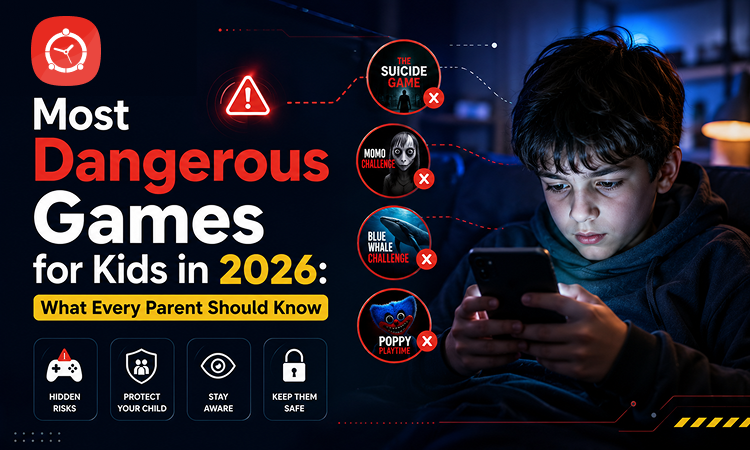
Most Dangerous Games for Kids in 2026: What Every Parent Should Know
The gaming world is evolving faster than ever. Every year, new games capture the attention of millions of children and teenagers, offering exciting adventures, creative experiences, and opportunities to connect with friends. While many games are harmless when played in moderation, others expose young players to serious risks, including online predators, cyberbullying, gambling-like mechanics, violent content, excessive screen time, and unsafe communication with strangers.
As a parent, you don’t need to ban gaming altogether. Instead, understanding which games carry higher risks can help you make informed decisions and guide your children toward safer digital habits.
In this guide, we’ll explore some of the most dangerous games for kids in 2026, explain why they raise concerns, and share practical tips for protecting your family.
Why Some Games Can Be Dangerous
Modern games are much more than entertainment. Many include:
- Live voice and text chat
- User-generated content
- Multiplayer interactions with strangers
- In-game purchases
- Gambling-style reward systems
- Competitive environments
- Unmoderated communities
These features can expose children to risks that go far beyond gameplay.
Common concerns include:
- Online grooming
- Cyberbullying
- Exposure to inappropriate language or content
- Gaming addiction
- Financial scams
- Privacy violations
- Screen time imbalance
Knowing where these risks exist is the first step toward preventing them.
1. Roblox
Recommended Age: 13+
Roblox remains one of the world’s most popular gaming platforms, but it’s also one of the most challenging for parents to monitor.
Rather than being a single game, Roblox hosts millions of user-created experiences. While many are educational and fun, others contain inappropriate themes, simulated violence, horror content, or unsafe interactions.
Risks
- Contact with strangers
- User-generated inappropriate content
- Online scams
- Virtual currency spending
- Private messaging
What Parents Should Do
- Enable parental controls.
- Restrict chat features.
- Review game history.
- Monitor Robux purchases.
- Play together occasionally.
2. Fortnite
Recommended Age: Teen
Fortnite continues to dominate online gaming with frequent updates, collaborations, and competitive gameplay.
Although the game itself isn’t excessively graphic, the open voice chat allows children to communicate with unknown players worldwide.
Risks
- Voice chat with strangers
- Cyberbullying
- In-game purchases
- Competitive stress
- Excessive gaming hours
Safety Tips
- Disable voice chat when possible.
- Set spending limits.
- Encourage regular gaming breaks.
- Discuss respectful online behavior.
3. GTA Online
Recommended Age: Adults (18+)
Despite its mature rating, many children continue playing GTA Online.
The game includes:
- Strong violence
- Crime
- Drug references
- Sexual content
- Unfiltered online interactions
These elements make it one of the least suitable online games for younger audiences.
Risks
- Explicit adult content
- Exposure to toxic players
- Online harassment
- Gambling-style activities
Parents should avoid allowing younger children access to GTA Online.
4. Call of Duty: Warzone
This competitive shooter remains extremely popular among teenagers.
While many older teens enjoy the strategy and teamwork, younger children may struggle with the game’s intensity.
Risks
- Graphic violence
- Voice chat abuse
- Toxic communities
- Long gaming sessions
- Sleep disruption
Parents should ensure the game matches their child’s maturity level.
5. Minecraft Multiplayer Servers
Minecraft itself is one of the safest games available. However, public multiplayer servers introduce different risks.
Some servers include:
- Unmoderated chat
- Inappropriate player behavior
- Offensive language
- Stranger interactions
Safer Alternative
Private family servers or Realms provide a much safer environment.
6. VRChat
VRChat has exploded in popularity thanks to affordable virtual reality devices.
The platform allows players to interact through customisable avatars inside public virtual worlds.
Risks
- Unrestricted conversations
- Adult-themed worlds
- Inappropriate avatars
- Grooming concerns
- Exposure to offensive behaviour
VRChat requires close parental supervision for younger users.
7. Gacha Games
Popular mobile games use “gacha” mechanics where players spend virtual currency for random rewards.
Examples include many anime-inspired RPGs and collectible games.
Risks
- Gambling-like behavior
- Excessive spending
- Addictive reward systems
- Pressure to keep purchasing
Parents should enable purchase approvals on devices.
8. Horror Games with Online Communities
Many horror games have gained massive popularity through streaming platforms.
Although some aren’t extremely violent, they often feature:
- Psychological horror
- Graphic imagery
- Jump scares
- Dark online fan communities
Younger children may experience anxiety, nightmares, or increased fear after prolonged exposure.
9. Survival Games with Public Chat
Many survival games encourage players to form alliances with strangers.
Popular examples include:
- Rust
- DayZ
- Ark public servers
Risks
- Verbal abuse
- Scams
- Harassment
- Unmoderated communication
Private servers generally provide a much safer experience.
10. Mobile Games Filled with Ads
Not every dangerous game looks dangerous.
Many free mobile games contain:
- Misleading advertisements
- Fake rewards
- Hidden subscriptions
- In-app purchases
- Links to external websites
Young children often click advertisements without understanding the consequences.
Always review apps before allowing downloads
Warning Signs Your Child’s Gaming Has Become Unhealthy
Watch for these behaviours:
- Irritability when asked to stop gaming
- Declining grades
- Reduced interest in offline activities
- Secretive online behaviourr
- Talking with unknown people online
- Unexpected purchases
- Poor sleep habits
- Skipping meals or responsibilities
Early conversations are often more effective than strict punishment.
How Parents Can Keep Kids Safe While Gaming
Healthy gaming starts with involvement rather than surveillance alone.
Here are several practical strategies:
Set Screen Time Limits
Create consistent daily gaming schedules that balance school, exercise, family time, and sleep.
Learn the Games
You don’t have to become a gamer, but understanding what your child plays helps you identify potential risks.
Encourage Open Communication
Children are more likely to report uncomfortable experiences if they know they won’t immediately lose gaming privileges.
Review Privacy Settings
Disable unnecessary communication features and limit who can contact your child.
Monitor Purchases
Require approval for every in-app purchase and regularly review payment history.
Play Together
Occasionally joining your child in their favorite games builds trust and creates opportunities to discuss online safety naturally.
How FamilyTime Helps Parents Manage Gaming Safely
Technology can make parenting easier when used thoughtfully. Instead of relying solely on rules, parents can use digital tools to build healthier gaming habits.
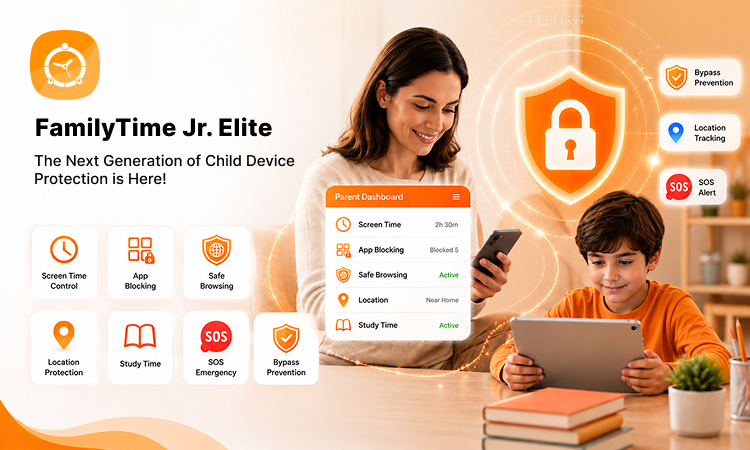
FamilyTime Parental Control helps families create a balanced digital lifestyle by offering features that support both safety and healthy screen use.
With FamilyTime, parents can:
- Set daily screen time limits
- Schedule device-free hours for homework, meals, and bedtime
- Monitor app usage
- Block inappropriate apps and games
- Receive activity insights
- Encourage healthy digital habits without constant supervision
Rather than eliminating gaming altogether, FamilyTime empowers parents to guide children toward responsible technology use while maintaining open communication and trust.
Final Thoughts
Gaming isn’t the enemy. In fact, many games encourage creativity, teamwork, and problem-solving. The real challenge lies in helping children navigate online environments safely.
By understanding which games present the greatest risks, maintaining regular conversations about digital safety, and using trusted parental control tools like FamilyTime, parents can create a healthier gaming experience without taking away the fun.
The goal isn’t to stop kids from playing games—it’s to help them play smarter, safer, and in balance with the rest of their lives.
As new games continue to emerge in 2026 and beyond, staying informed remains one of the most effective ways to protect your child online.