What Parents Should Know About OmeTV & the Monkey App
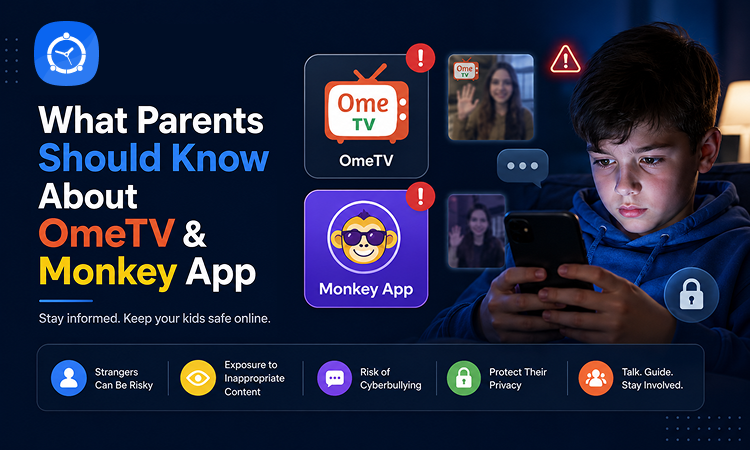
The internet has made it easier than ever for people to connect with others around the world. While many social apps encourage creativity and communication, some platforms introduce risks that parents may not immediately recognise.
Two apps that have gained popularity among teenagers are OmeTV and Monkey. Both are designed to connect users with strangers through live video chats, making every interaction unpredictable. Although these apps may seem entertaining to teens, they also expose them to serious online safety concerns.
If your child has mentioned either of these apps—or if you’ve noticed them installed on their device—here’s what you should know.
What Is OmeTV?
OmeTV is a random video chat platform that matches users with strangers from different countries. Similar to traditional random chat websites, users can start conversations instantly without building a friends list or following one another.
The app allows users to:
- Join random live video chats.
- Send text messages during conversations.
- Skip to the next person with a single tap.
- Meet people from around the world.
While the platform states that it has moderation systems, inappropriate behavior and explicit content can still appear before moderators have a chance to intervene.
What Is Monkey App?
Monkey is another social video chat app that focuses on helping users make new friends through short video conversations.
Features include:
- Random video matching.
- User profiles with interests.
- Friend requests and follow-ups.
- Direct messaging.
- Social media profile linking.
Monkey is especially popular among teenagers because of its fast-paced, game-like experience. However, its design also makes it easy for minors to interact with complete strangers.
Why Are These Apps Popular Among Teens?
Many teenagers are naturally curious and enjoy meeting new people online.
Apps like OmeTV and Monkey appeal to them because they offer:
- Instant conversations.
- Excitement through random matching.
- Opportunities to make international friends.
- Entertainment during free time.
- Viral trends shared on TikTok and other social media platforms.
Unfortunately, the same features that make these apps exciting also increase the potential risks.
Potential Risks Parents Should Know
1. Exposure to Inappropriate Content
Since users are matched randomly, children may unexpectedly encounter:
- Nudity or sexually explicit behaviour.
- Offensive language.
- Violent or disturbing content.
- Adult conversations.
Even with moderation, harmful content can appear before it is removed.
2. Contact with Strangers
Neither app can fully verify the intentions of every user.
Children may unknowingly interact with:
- Adults pretending to be teenagers.
- Online predators.
- Scammers.
- Individuals seeking personal information.
Random video chats leave very little time for children to assess whether someone is trustworthy.
3. Privacy Risks
Many teenagers share more than they realise during video conversations.
They may accidentally reveal:
- Their face.
- School uniforms.
- Home interiors.
- Family members.
- Location clues.
- Personal details.
Even a few seconds of video can expose information that strangers can misuse.
4. Cyberbullying
Not every conversation is friendly.
Some users may:
- Mock appearance.
- Use hateful language.
- Record conversations.
- Share embarrassing screenshots.
- Encourage risky behaviour.
Negative experiences like these can affect a child’s confidence and emotional well-being.
5. Screen Recording
One of the biggest misconceptions about live video chats is that they disappear once the conversation ends.
In reality, another user can easily:
- Record the screen.
- Take screenshots.
- Share videos on social media.
- Upload clips without permission.
Once content is online, removing it can be extremely difficult.
6. False Age Representation
Although these apps have age requirements, users can sometimes enter false birth dates during registration.
As a result, teenagers may end up chatting with adults without realising it.
Warning Signs Your Child May Be Using Random Video Chat Apps
Parents should pay attention if they notice their child:
- Quickly closing apps when someone enters the room.
- Spending long periods on video chats.
- Becoming secretive about online activities.
- Talking frequently with strangers.
- Receiving messages from unknown people.
- Becoming anxious or upset after using their phone.
These signs do not automatically indicate danger, but they provide a good reason to start a conversation.
How Parents Can Keep Children Safe
Have Open Conversations
Instead of immediately banning every app, ask your child:
- What apps they enjoy using.
- Why they like them.
- Who they talk to online.
- Whether they’ve ever experienced uncomfortable interactions.
Creating an environment where children feel comfortable talking about online experiences is one of the strongest safety measures.
Teach Digital Privacy
Help children understand that they should never share:
- Home address.
- School name.
- Phone number.
- Financial information.
- Passwords.
- Private family details.
Explain that even casual conversations can reveal more information than they intend.
Set Healthy Screen Time Limits
Balanced screen habits reduce the chances of excessive exposure to risky platforms.
Consider establishing:
- Device-free family time.
- Bedtime screen limits.
- Daily app usage boundaries.
Consistency helps children develop healthier digital routines.
Review App Permissions
Check whether video chat apps have access to:
- Camera.
- Microphone.
- Photos.
- Contacts.
- Location.
Only grant permissions that are truly necessary.
Use Parental Controls
Technology can support—not replace—active parenting.
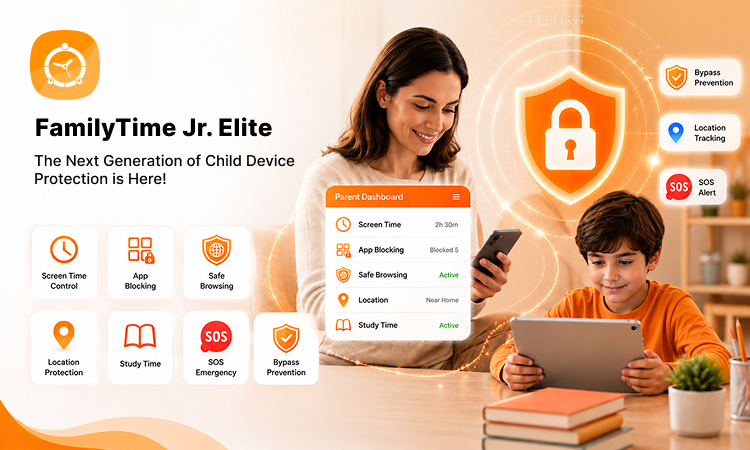
A parental control solution like FamilyTime helps parents stay informed about their children’s digital activities while encouraging healthy technology habits.
With FamilyTime, parents can:
- Monitor screen time.
- Block inappropriate apps.
- Set daily device schedules.
- Receive location updates.
- Encourage balanced digital habits through customisable controls.
When combined with open communication, parental controls provide an additional layer of protection.
Should Parents Ban OmeTV and Monkey?
Every family has different rules and expectations.
Rather than making an immediate decision, consider:
- Your child’s age and maturity.
- Their understanding of online safety.
- Whether they follow family technology rules.
- Their history of responsible internet use.
For younger children and preteens, random video chat apps generally present more risks than benefits. Older teens may still need guidance, regular discussions, and appropriate digital boundaries.
Final Thoughts
Apps like OmeTV and Monkey are designed to make meeting new people quick and entertaining. However, the same features that attract teenagers can also expose them to inappropriate content, privacy concerns, cyberbullying, and interactions with strangers.
Parents don’t need to know every app their children use—but staying informed about popular platforms is an important step toward safer online experiences.
By maintaining open conversations, teaching digital responsibility, setting healthy boundaries, and using trusted parental control tools like FamilyTime, families can help children enjoy technology while reducing unnecessary risks.
The goal isn’t to eliminate technology from children’s lives. It’s to help them build the knowledge and habits they need to navigate the digital world safely and confidently.