Digital Burnout in Kids: What Parents Need to Know
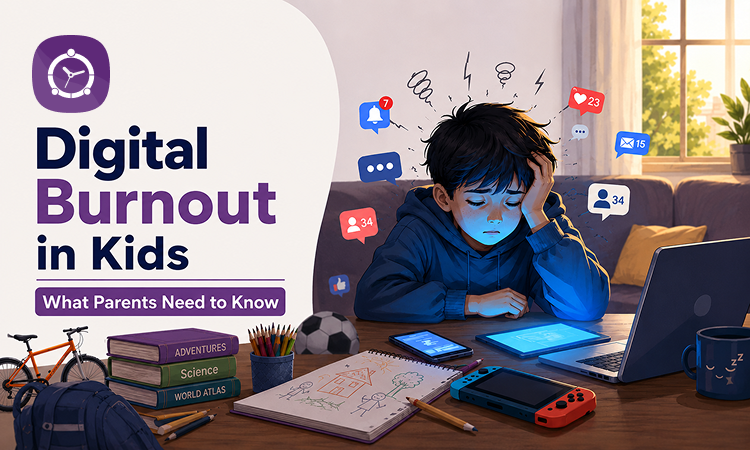
In today’s digital-first world, screens are everywhere. From online classes and gaming to social media and streaming platforms, children spend a large portion of their day connected to devices. While technology offers many benefits, excessive screen exposure can quietly lead to a growing concern among families: digital burnout.
Parents often notice changes in their child’s mood, sleep, or focus but may not immediately connect these issues to screen overload. Understanding digital burnout is the first step toward creating healthier digital habits at home.
What Is Digital Burnout?
Digital burnout happens when prolonged exposure to screens and digital activities leads to mental, emotional, and even physical exhaustion. It’s not limited to adults working long hours online; kids and teens can experience it too.
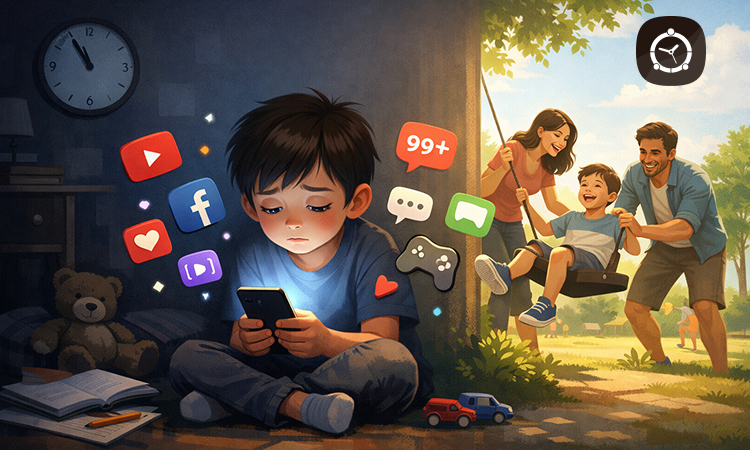
Children today constantly switch between educational apps, video games, social media, and entertainment platforms. Their brains rarely get enough downtime to rest and reset. Over time, this constant stimulation can impact their well-being.
Signs Your Child May Be Experiencing Digital Burnout
Digital burnout doesn’t always appear suddenly. It often develops gradually. Here are some common warning signs parents should watch for:
1. Increased Irritability or Mood Swings
Children may become frustrated, impatient, or emotionally reactive after extended screen time.
2. Difficulty Concentrating
Too much digital stimulation can reduce attention span and make it harder for kids to focus on schoolwork or offline activities.
3. Sleep Problems
Late-night scrolling, gaming, or binge-watching can interfere with healthy sleep cycles.
4. Physical Complaints
Headaches, eye strain, neck pain, and fatigue are common symptoms linked to excessive device use.
5. Loss of Interest in Offline Activities
Kids experiencing burnout may avoid hobbies, outdoor play, or family interaction in favour of staying online.
6. Anxiety or Mental Exhaustion
Constant notifications, social media pressure, and digital overstimulation can leave children feeling mentally drained.
Why Digital Burnout Is Becoming More Common
Several factors contribute to rising digital fatigue among children:
- Online learning and homework requirements
- Social media pressure and fear of missing out (FOMO)
- Endless entertainment options
- Gaming addiction tendencies
- Reduced outdoor and physical activity
- Lack of healthy screen boundaries at home
For many kids, screens are no longer just a tool — they are part of nearly every aspect of daily life.
The Long-Term Impact of Excessive Screen Exposure
If left unmanaged, digital burnout can affect children in several ways:
- Reduced academic performance
- Increased stress and anxiety
- Poor sleep quality
- Lower physical activity levels
- Social isolation
- Emotional dependency on devices
The goal isn’t to eliminate technology completely. Instead, parents should focus on helping children build a balanced relationship with screens.
How Parents Can Prevent Digital Burnout
Create Screen Time Boundaries
Set realistic daily limits for entertainment-based screen usage. Consistency helps children develop healthier habits.
Encourage Offline Activities
Sports, reading, arts, family games, and outdoor play provide important mental breaks from digital stimulation.
Establish Tech-Free Zones
Keep devices away from dining tables and bedrooms to encourage healthier routines and better sleep.
Model Healthy Digital Habits
Children learn from what they see. Parents who practice balanced screen use set a stronger example.
Prioritize Sleep
Avoid screen use at least one hour before bedtime to improve sleep quality.
Have Open Conversations
Talk regularly with your child about how online activities make them feel emotionally and mentally.
Using Technology Wisely Instead of Fearfully
Technology itself is not the enemy. The key is mindful and intentional usage. Parents need tools that help them guide their children without creating conflict or constant monitoring stress.
This is where parental control solutions can play a supportive role.
With FamilyTime, parents can better manage screen time, monitor app usage, schedule device-free hours, and encourage healthier digital habits for their children. Instead of relying on constant reminders or arguments, parents can create balanced routines that support both learning and well-being.
Features like app blocking, screen time scheduling, and usage insights allow families to take a proactive approach to digital wellness.
Building a Healthier Digital Future for Kids
Digital burnout is becoming a real challenge for modern families, but it’s also manageable with awareness and healthy boundaries. Children need time to rest, play, connect offline, and simply be kids without constant digital stimulation.
By recognizing the signs early and creating a balanced tech environment, parents can help their children enjoy the benefits of technology without sacrificing their mental and emotional well-being.
The goal is not to disconnect kids from the digital world — it’s to help them use it wisely, safely, and in moderation.