Understanding Gen Alpha: Parenting the Digital Generation
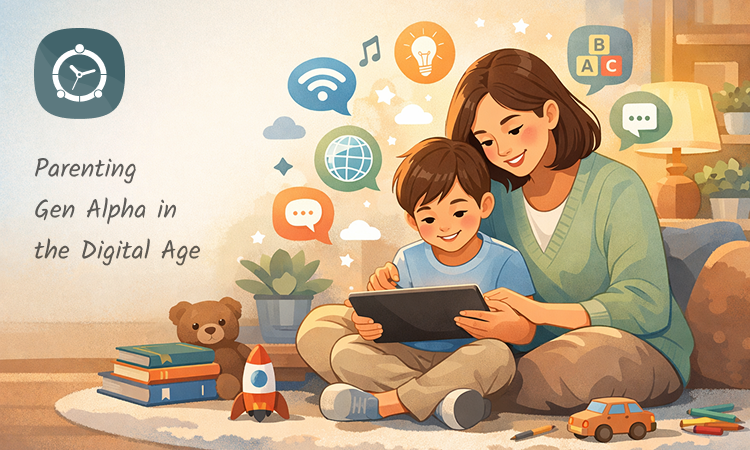
Parenting has never been a static journey, but raising Gen Alpha is a whole new experience. Born roughly between 2010 and 2025, this generation is growing up in a world where screens are everywhere, artificial intelligence is becoming mainstream, and digital interaction often begins before they can even speak.
So how do parents adapt? Understanding Gen Alpha is the first step toward guiding them into a healthy, balanced future.
Who Is Gen Alpha?
Gen Alpha is the first generation born entirely in the 21st century. Unlike Millennials or Gen Z, they’ve never known a world without smartphones, streaming platforms, or instant access to information.
For them:
- Touchscreens are intuitive
- Voice assistants feel normal
- Online and offline life blend seamlessly
This constant exposure to technology shapes how they learn, communicate, and even think.
The Digital Environment They’re Growing Up In
Gen Alpha is surrounded by:
- Personalized content algorithms
- Social media at younger ages
- Online gaming communities
- Educational apps and e-learning platforms
While this offers incredible opportunities for learning and creativity, it also introduces risks such as the following:
- Screen addiction
- Exposure to inappropriate content
- Cyberbullying
- Reduced attention spans
As a parent, the goal isn’t to eliminate technology—it’s to teach children how to use it responsibly.
Key Traits of Gen Alpha
Understanding their behavior helps parents connect better:
1. Tech-Native Learners
They learn faster through visuals, videos, and interactive content rather than traditional methods.
2. Shorter Attention Spans
Quick content like short videos has influenced how long they stay engaged.
3. Highly Curious and Independent
With information at their fingertips, they tend to explore and question more.
4. Socially Aware Early On
Even at a young age, they are exposed to global conversations and diverse perspectives.
Parenting Challenges in the Digital Age
Raising Gen Alpha comes with unique challenges:
- Managing Screen Time: Devices are part of both entertainment and education
- Monitoring Online Safety: Kids can access content far beyond their age
- Balancing Freedom and Control: Over-restriction can backfire, but too much freedom can be risky
- Keeping Up with Technology: Parents often feel one step behind
Smart Parenting Strategies for Gen Alpha
Here’s how you can build a healthy digital environment at home:
1. Set Clear Digital Boundaries
Establish screen-free zones (like bedrooms or dining tables) and define daily usage limits.
2. Encourage Open Communication
Talk to your kids about what they watch, play, and explore online. Make it a judgment-free conversation.
3. Focus on Digital Literacy
Teach children how to identify safe vs. unsafe content, understand privacy, and behave respectfully online.
4. Lead by Example
Children mirror behavior. Healthy screen habits start with you.
5. Blend Online and Offline Activities
Encourage outdoor play, hobbies, and face-to-face interactions to balance digital exposure.
Using Technology Wisely as a Parenting Tool
Technology itself isn’t the enemy; it can actually support parenting when used correctly.
This is where tools like FamilyTime come in. By using FamilyTime wisely, parents can:
- Monitor screen time without being intrusive
- Filter inappropriate content
- Track app usage
- Set healthy digital routines
Instead of constant supervision, it allows for guided independence, which is exactly what Gen Alpha needs.
Building a Future-Ready Generation
Gen Alpha will grow up to shape a world that’s even more digital than today. The goal isn’t to raise children who avoid technology but to raise individuals who:
- Use it responsibly
- Think critically
- Stay emotionally grounded
- Maintain real-world connections
Final Thoughts
Parenting Gen Alpha requires a shift in mindset. It’s less about control and more about guidance. Less about restriction and more about education.
When parents combine understanding, communication, and smart tools like FamilyTime, they create an environment where children can thrive both online and offline.
The digital world isn’t going away. But with the right approach, your child can learn to navigate it safely, confidently, and wisely.