Digital Detox for Kids: A 7-Day Family Plan

Screens are everywhere: phones, tablets, laptops, and TVs. For kids, they’re a big part of learning, play, and social life. While technology offers many benefits, too much screen time can affect sleep, behavior, attention span, and emotional well-being. That’s where a digital detox can help.
A digital detox doesn’t mean eliminating technology entirely. Instead, it’s about resetting habits, building awareness, and creating healthier boundaries. The best part? It works even better when the whole family joins in.
Here’s a simple, realistic 7-day family plan to help your household unplug, reconnect, and rebalance.
Why Kids Need a Digital Detox
Before diving into the plan, it’s important to understand the “why.” Excessive screen use can lead to:
- Reduced physical activity
- Sleep disturbances
- Increased irritability or mood swings
- Shortened attention span
- Less face-to-face family interaction
A structured detox helps kids rediscover offline joys like creativity, outdoor play, and meaningful conversations.
The 7-Day Family Digital Detox Plan
Day 1: Awareness & Assessment
Start by observing current habits.
- Track how much time each family member spends on screens
- Identify peak usage times (after school, before bed, etc.)
- Talk openly about how screen time makes everyone feel
Goal: Build awareness without judgment.
Day 2: Set Family Rules Together
Instead of imposing strict rules, involve your kids in creating them.
- Define screen-free times (e.g., during meals, 1 hour before bed)
- Decide on daily screen limits
- Create “tech-free zones” like bedrooms or dining areas
Tip: Kids are more likely to follow rules they helped create.
Day 3: Replace Screen Time with Fun Alternatives
Cutting screens without alternatives leads to boredom and resistance.
Try activities like:
- Board games or puzzles
- Arts and crafts
- Reading together
- Outdoor play or sports
Goal: Show kids that fun exists beyond screens.
Day 4: Family Connection Day
Make this day all about bonding; no devices allowed.
Ideas include:
- Cooking a meal together
- Going for a walk or picnic
- Storytelling or sharing childhood memories
Result: Stronger emotional connections and lasting memories.
Day 5: Mindful Tech Use
Reintroduce screens but with intention.
Teach kids to:
- Choose content carefully
- Avoid mindless scrolling
- Take breaks every 30–60 minutes
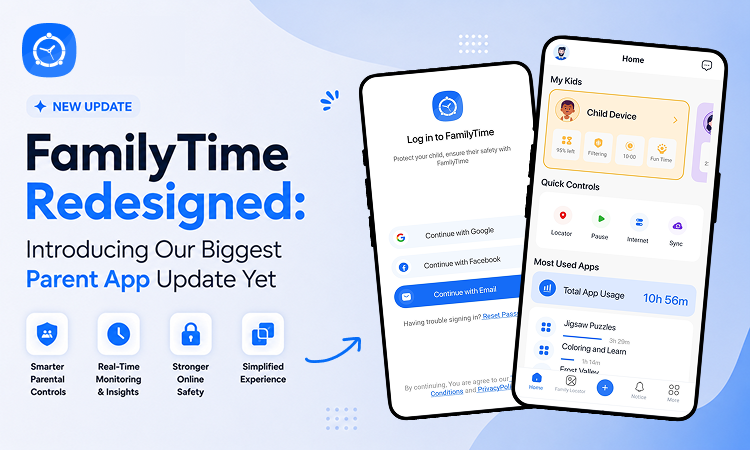
This is where tools like the FamilyTime parental control app can help parents guide usage wisely, set limits, and ensure kids are accessing age-appropriate content.
Day 6: Digital Declutter
Clean up digital spaces together.
- Remove unused apps and games
- Turn off unnecessary notifications
- Organize files and home screens
Why it matters: A clutter-free device reduces distractions and promotes mindful usage.
Day 7: Reflect & Reset
End the week by reflecting as a family.
Ask questions like:
- What did we enjoy most this week?
- What was challenging?
- Which habits should we keep?
Then create a long-term digital balance plan based on what worked.
Tips for Long-Term Success
A 7-day detox is just the beginning. To maintain healthy habits:
- Be a role model kids follow what they see
- Keep communication open and non-judgmental
- Use parental control tools like FamilyTime to support, not control, your child’s digital journey
- Schedule regular “mini detox” days each month
Final Thoughts
A digital detox isn’t about restriction; it’s about reconnection. When families unplug together, they rediscover the value of time, attention, and presence.
By following this 7-day plan, you’re not just reducing screen time; you’re building healthier habits that can last a lifetime.
And remember, with supportive tools like FamilyTime, managing your child’s digital world becomes easier, smarter, and more balanced.