8 Online Threats Kids Face in 2026 (And How to Stay Safe)
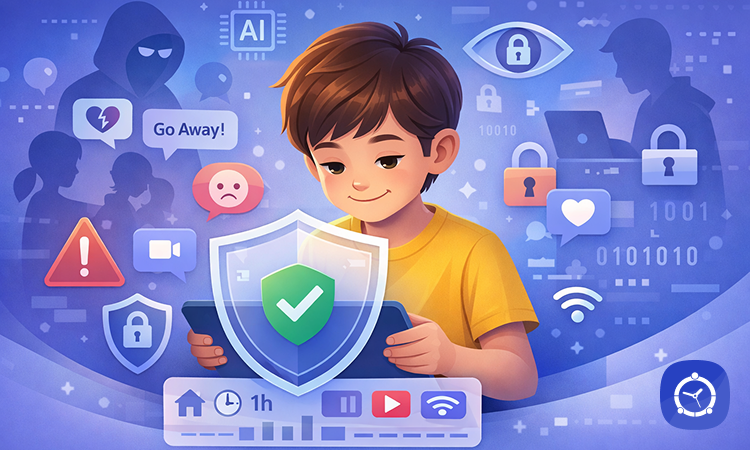
The internet in 2026 is smarter, faster, and more immersive than ever before. Kids are growing up in a digital-first world filled with opportunities to learn, connect, and explore. But alongside these benefits come serious risks that are becoming increasingly harder to detect.
For parents, staying informed is no longer optional; it’s essential. Understanding the latest online dangers is the first step toward protecting your children and helping them build safe digital habits.
Let’s explore the biggest online threats kids face today and how you can stay one step ahead.
1. AI-Powered Scams and Deepfakes
Artificial intelligence has revolutionized online interactions, but it has also made scams more convincing. Kids today may encounter the following:
- Deepfake videos impersonating friends or influencers
- AI-generated messages that feel personal and trustworthy
- Fake giveaways designed to steal personal information
Because these scams look so real, children are more likely to fall for them.
What parents can do:
Encourage kids to question unusual messages and verify identities before responding. Building awareness is key.
2. Cyberbullying Has Evolved
Cyberbullying is no longer limited to mean comments. In 2026, it includes:
- Anonymous trolling through fake or temporary accounts
- AI-generated edited images or insults
- Viral public shaming trends
The impact can be severe, affecting a child’s confidence and mental health.
What parents can do:
Create a safe space for your child to talk. Regular conversations can help you catch issues early before they escalate.
3. Exposure to Inappropriate Content
Content algorithms are designed to keep users engaged but they don’t always filter what’s appropriate for kids. This means children can easily come across the following:
- Violent or disturbing videos
- Explicit or adult content
- Dangerous online challenges
What parents can do:
Use content filters and actively guide what your children can access online.
4. Online Predators and Grooming
Predators are becoming more strategic, often targeting kids through games, apps, and social platforms. They may:
- Build trust over time
- Pretend to share common interests
- Encourage secrecy and private conversations
What parents can do:
Teach kids to never share personal information and to report suspicious behavior immediately.
5. Privacy Risks and Data Exploitation
Children often don’t realize how much personal data they’re sharing online. This includes:
- Location tracking
- School or home details
- Photos and daily routines
This information can be misused for identity theft or manipulation.
What parents can do:
Educate kids about digital privacy and regularly review app permissions and settings.
6. Gaming-Related Risks
Gaming is a huge part of kids’ lives, but it’s not without dangers:
- Interaction with strangers via chat features
- Scams involving in-game purchases
- Excessive screen time and gaming addiction
What parents can do:
Set healthy limits and stay aware of who your child interacts with during gameplay.
7. Social Media Pressure and Mental Health
Social media continues to shape how kids see themselves. Common risks include:
- Comparison with unrealistic lifestyles
- Pressure to gain likes and followers
- Anxiety and low self-esteem
What parents can do:
Encourage offline activities and reinforce positive self-image beyond screens.
8. Misinformation and Harmful Content
Not everything online is true or safe. Kids may encounter:
- Fake news or misleading advice
- Harmful “life hacks”
- Manipulative or extreme content
What parents can do:
Teach critical thinking and help children question what they see online.
How FamilyTime Helps Keep Your Kids Safe
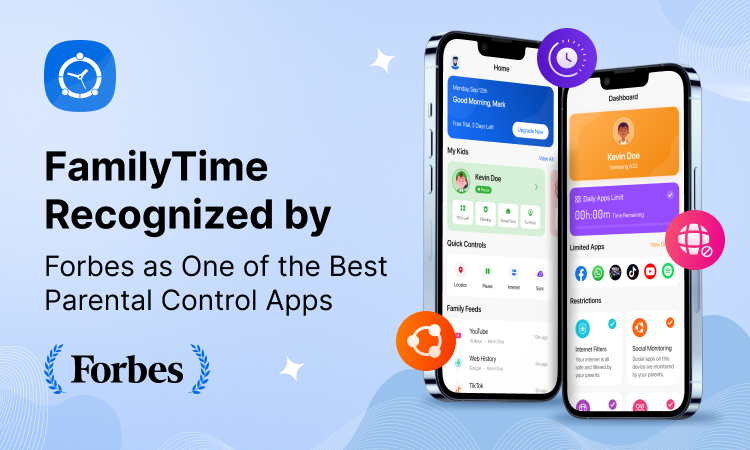
While awareness and communication are crucial, modern parenting also requires smart tools. This is where the FamilyTime parental control app becomes an essential ally for families navigating the digital world.
FamilyTime is designed to give parents better visibility and control over their children’s online activities—without being intrusive.
Here’s how it helps:
- Screen Time Management: Set daily limits and ensure a healthy balance between online and offline life
- App Blocking & Monitoring: Control access to apps and see how your child spends time on their device
- Content Filtering: Block inappropriate websites and keep browsing safe
- Location Tracking: Know where your child is in real time for added peace of mind
- Alerts & Reports: Get notified about suspicious activity or risky behavior
With tools like FamilyTime, parents can move from reactive to proactive, addressing risks before they become serious problems.
Final Thoughts
The online world in 2026 is full of possibilities but also hidden dangers that kids may not fully understand. As a parent, your role is not just to protect but to guide.
By staying informed, maintaining open communication, and using trusted tools like FamilyTime, you can create a safer digital environment for your children.
Because when it comes to your child’s safety, awareness and action go hand in hand.