Why Kids Should Not Use Phones Before Bed
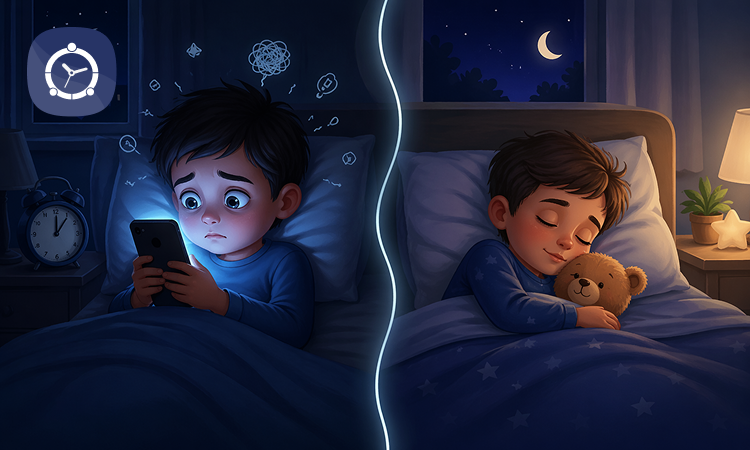
In today’s digital world, smartphones have become a constant companion—even for children. While technology offers many benefits, allowing kids to use phones right before bedtime can negatively impact their health, mood, and overall development. As parents, understanding these effects is the first step toward building healthier routines.
Let’s explore why kids should avoid phone use before bed and how you can encourage better habits at home.
The Impact of Screen Time on Sleep
One of the biggest concerns with bedtime phone use is its effect on sleep quality. Smartphones emit blue light, which interferes with the body’s natural sleep cycle. This light suppresses melatonin—the hormone responsible for making us feel sleepy.
When children use phones late into the night:
- They take longer to fall asleep
- Their sleep becomes lighter and less restorative
- They may wake up feeling tired and irritable
Over time, poor sleep can affect their academic performance, concentration, and emotional well-being.
Increased Mental Stimulation
Phones are designed to keep users engaged. Whether kids are watching videos, playing games, or chatting with friends, their brains remain active instead of winding down.
This mental stimulation:
- Makes it harder to relax before bed
- Keeps the mind alert when it should be slowing down
- Can lead to difficulty falling asleep even after putting the phone away
A calm mind is essential for restful sleep, and phones disrupt that natural transition.
Exposure to Inappropriate Content
Late-night phone use often happens without supervision. This increases the risk of children being exposed to content that may not be suitable for their age.
This includes:
- Violent or distressing media
- Social media pressures
- Online interactions that may affect emotional health
Such exposure can lead to anxiety, fear, or overstimulation right before bedtime—making it even harder for kids to relax.
Disrupted Bedtime Routines
Healthy bedtime routines are crucial for children. Activities like reading, talking with family, or simply unwinding help signal the body that it’s time to sleep.
When phones are introduced:
- Bedtime routines become inconsistent
- Kids may resist going to bed
- Screen time replaces calming activities
Consistency is key for developing strong sleep habits, and phones often disrupt that structure.
Risk of Dependency
Allowing kids to use phones before bed can quickly turn into a habit—and eventually, a dependency. Children may begin to associate sleep with screen time, making it difficult for them to fall asleep without a device.
This can lead to:
- Increased screen addiction
- Reduced self-control
- Difficulty managing screen time during the day
Building boundaries early helps prevent these long-term issues.
How Parents Can Help
The good news is that small changes can make a big difference. Here are a few practical steps parents can take:
1. Set a “No Phones Before Bed” Rule
Establish a clear rule that devices should be turned off at least 30–60 minutes before bedtime.
2. Create a Tech-Free Bedroom
Encourage kids to keep phones outside their bedroom at night.
3. Encourage Relaxing Activities
Replace screen time with calming alternatives like reading, journaling, or listening to soft music.
4. Use Parental Control Tools
This is where solutions like FamilyTime can help. With FamilyTime, parents can:
- Set screen time limits
- Schedule device-free hours (like bedtime)
- Monitor usage and ensure healthy digital habits
By using FamilyTime wisely, you can enforce consistent routines without constant conflict, making bedtime smoother for both you and your child.
Final Thoughts
While smartphones are an integral part of modern life, they should not interfere with a child’s sleep and well-being. Avoiding phone use before bed helps children sleep better, feel healthier, and perform better in their daily activities.
As a parent, setting boundaries around technology isn’t about restriction—it’s about creating balance. With the right habits and tools in place, you can ensure your child enjoys the benefits of technology without compromising their health.
Start small, stay consistent, and remember: a good night’s sleep is one of the most valuable gifts you can give your child.