10 Warning Signs Your Child Is Addicted to Screens
Introduction: When Screen Time Becomes a Problem
It doesn’t happen overnight.
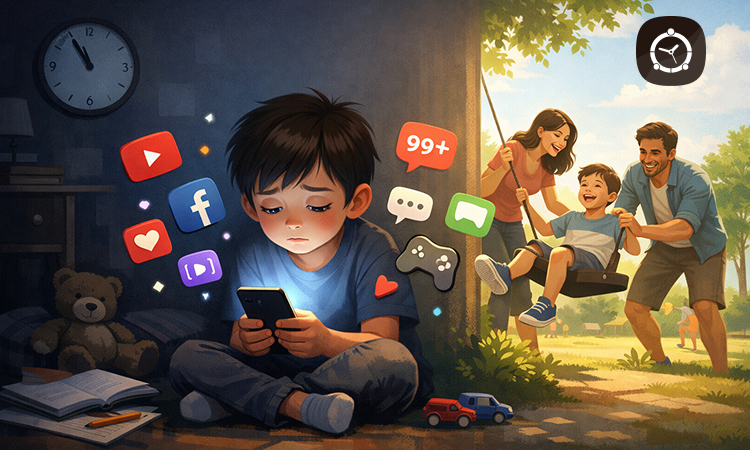
One day, your child is just watching cartoons for fun. Soon, screen time starts taking over their day and they are on their phone or tablet before school, after school, during meals, and even late at night. What once seemed like harmless entertainment gradually becomes a constant habit, and before you know it, screens are dominating their daily routine.
You may find yourself asking:
- “Why do they get so upset when I take the phone away?”
- “Is this normal… or something more serious?”
The truth is, screen addiction in children is becoming increasingly common. With apps designed to keep users hooked and content that never ends, kids today face challenges that previous generations never had to deal with.
But here’s the good news:
You can recognize the signs early and take action before it gets worse.
In this guide, we’ll walk you through the 10 clear warning signs of screen addiction, what causes it, and how you can help your child build healthier digital habits.
1. Emotional Outbursts When Screen Time Ends
Does your child become unusually angry, frustrated, or even aggressive when it’s time to turn off their device?
This is often one of the first and most obvious warning signs.
Instead of a simple “okay,” you might hear:
- “Just five more minutes!”
- “You never let me do anything!”
- Or worse, full-blown tantrums
These reactions aren’t just about disobedience. They often indicate that your child is emotionally dependent on screens.
When something triggers such intense reactions, it’s usually because the brain has started to rely on it for comfort or stimulation.
2. Screen Time Keeps Increasing
Have you noticed that your child’s screen time is slowly creeping up?
What used to be:
- 30 minutes after school
has turned into - 2–4 hours a day (or more)
This pattern is known as tolerance—a key sign of addictive behavior.
Just like with sugar or video games, the brain starts craving more to get the same level of satisfaction. Over time, “a little” is never enough.
3. Loss of Interest in Offline Activities
Think about what your child used to enjoy.
- Playing outside
- Drawing or building things
- Reading books
- Spending time with family
Now ask yourself:
Have screens replaced most (or all) of these activities?
If your child consistently chooses screens over everything else, it’s a strong indicator that their digital habits are becoming unhealthy.
This shift is especially concerning because offline activities are critical for:
- Social development
- Creativity
- Physical health
4. Sneaking or Hiding Screen Use
Children who feel the need to hide their screen usage are often aware—on some level—that they’re overusing it.
Watch for behaviors like:
- Using devices late at night under blankets
- Quickly switching screens when you walk in
- Lying about how long they’ve been online
This secrecy is a red flag.
It suggests that screen use is no longer just a habit, it’s becoming compulsive behavior.
5. Sleep Problems and Fatigue
One of the most damaging effects of excessive screen time is poor sleep.
If your child is:
- Staying up late on their phone or tablet
- Struggling to fall asleep
- Waking up tired or irritable
…screens may be the cause.
Why this happens:
- Blue light suppresses melatonin (the sleep hormone)
- Content keeps the brain overstimulated
- Endless scrolling makes it hard to stop
Over time, poor sleep can affect:
- Mood
- Academic performance
- Overall health
6. Declining Academic Performance
If your child’s grades are slipping or homework is constantly delayed, screen time may be interfering.
Addicted screen users often struggle with:
- Focus and concentration
- Completing assignments on time
- Retaining information
Instead of studying, they may:
- Check notifications repeatedly
- Watch videos instead of doing homework
- Rush through tasks just to get back to screens
This creates a cycle where learning takes a backseat.
7. Restlessness Without Screens
What happens when your child doesn’t have access to a device?
Do they:
- Complaining about boredom almost instantly?
- Seems restless or uneasy?
- Constantly ask, “Can I use your phone?”
This inability to stay engaged without screens is a major warning sign.
It shows that your child has become dependent on digital stimulation and may struggle to enjoy slower, real-world experiences.
8. Social Withdrawal
Children need real-world interaction to develop emotional and social skills.
But excessive screen use can lead to:
- Avoiding family time
- Reduced interest in meeting friends
- Preferring online interactions over real ones
While digital communication isn’t inherently bad, it should never replace face-to-face relationships.
If your child is pulling away from real-world connections, it’s time to pay attention.
9. Mood Swings, Anxiety, or Irritability
Have you noticed sudden emotional changes in your child?
- Irritability when not using screens
- Anxiety or frustration
- Quick mood swings
These emotional patterns are often linked to how digital content affects the brain.
Apps and games are designed to trigger dopamine—the “feel-good” chemical. When that stimulation is removed, kids may feel:
- Low
- Irritated
- Even anxious
Over time, this can impact their overall emotional well-being.
10. Inability to Self-Regulate Screen Time
Perhaps the clearest sign of screen addiction is this:
Your child simply cannot stop on their own.
You’ve probably heard:
- “Just one more video…”
- “I’ll stop after this game…”
But minutes turn into hours.
This lack of control shows that screen use has moved beyond casual enjoyment into dependency.
Why Screen Addiction Happens in Kids
To solve the problem, it’s important to understand the cause.
Today’s digital platforms are not accidental—they are designed to be addictive.
Here’s how:
1. Endless Content
There’s always another video, another level, another scroll.
2. Personalized Algorithms
Apps learn what your child likes and show more of it—keeping them hooked.
3. Instant Rewards
Likes, comments, and game wins trigger dopamine again and again.
4. Easy Access
Smartphones and tablets make screens available 24/7.
For children, whose brains are still developing, this combination is especially powerful.
What Parents Can Do: A Practical Action Plan
If you’ve recognized some of these signs, don’t panic.
Screen addiction is manageable—with the right approach.
Step 1: Start With Awareness
Most parents underestimate how much time their child spends on screens.
Start by tracking:
- Daily usage
- Most-used apps
- Peak screen times
Awareness is the first step toward change.
Step 2: Set Clear and Realistic Boundaries
Avoid extreme rules like “no screens at all.”
Instead, create balanced guidelines:
- No screens before school
- Limited use after homework
- No devices 1 hour before bedtime
Consistency matters more than strictness.
Step 3: Replace Screen Time With Better Alternatives
Removing screens without offering alternatives leads to frustration.
Instead, introduce:
- Sports or outdoor play
- Art, music, or creative hobbies
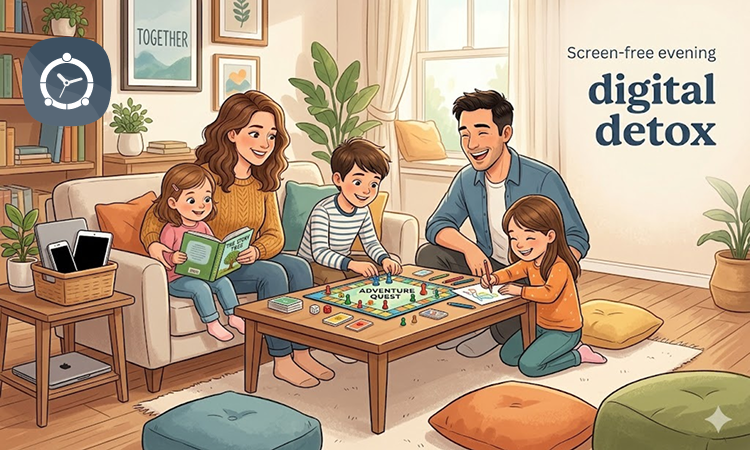
- Board games or family activities
The goal is to make offline life enjoyable again.
Step 4: Create Tech-Free Zones
Set physical boundaries around screen use.
Examples:
- No phones at the dining table
- No devices in bedrooms
- Screen-free family time
These small changes create powerful habits.
Step 5: Use Smart Parental Controls
Let’s be honest—managing screen time manually is exhausting.
That’s where tools like FamilyTime parental control can make a real difference.
With the right system in place, you can:
- Set daily screen limits automatically
- Block distracting or harmful apps
- Monitor screen usage in real time
- Schedule device-free hours (like bedtime)
- Understand your child’s digital behavior
Instead of constant arguments, you create a structured environment where rules are clear—and consistently enforced.
Final Thoughts: It’s About Balance, Not Elimination
Screens are not the enemy.
They are part of modern life—education, entertainment, and communication all happen through them.
The real goal is not to eliminate screens completely, but to teach your child:
- How to use them responsibly
- When to stop
- How to balance digital and real life
If you’ve noticed even a few of the warning signs in this article, don’t ignore them.
Small changes today can prevent bigger problems tomorrow.